
Why Emotional Urdu Romance Novels Keep Readers Engaged

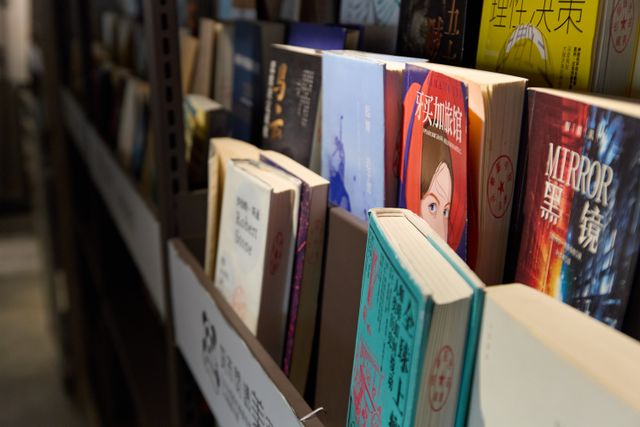
Urdu romantic fiction has a special way of turning simple feelings into memorable stories. Writers often mix love, family pressure, sacrifice, and personal choices to create strong emotional journeys.
Also Read: How to Choose the Best Hostel in Lahore
Readers who enjoy this style often search for long stories with dramatic turns and relatable characters. One example is junooniyat novel by areej shah, which is discussed online as a romance shaped by love, rivalry, resilience, and family conflict.
The Appeal of Romantic Urdu Fiction
Romantic Urdu novels attract readers because they focus closely on human emotions. Love may start the story, but trust, loyalty, pride, fear, and family duties often shape the real conflict.
This emotional range gives readers more than a simple love story. A character may need to choose between personal happiness and family expectations, which creates tension that feels familiar to many readers.
Long-form Urdu fiction also gives writers room to develop relationships slowly. Instead of solving every problem quickly, the story can show how misunderstandings grow and how people change with time.
Family Conflict Creates Strong Story Tension
Family relationships often play a major role in Urdu romance. Parents, siblings, relatives, and old rivalries can influence the choices of the main characters and make romance more complicated.
A family dispute can also give the story a wider purpose. It allows the writer to explore respect, tradition, independence, and the effect of old decisions on a younger generation.
The referenced novel page describes a long rivalry between the Shah and Kazmi families. It presents the romance of Zoya and Arham against that tense background, which adds pressure to their relationship.
Strong Characters Make the Story Memorable
Readers usually remember characters more than individual events. A strong heroine, a conflicted hero, a loyal friend, or a difficult rival can give an emotional story its identity.
| Character Type | Role in the Story | Why It Matters |
| Determined heroine | Faces social or family pressure | Adds courage and emotional depth |
| Conflicted hero | Balances love with duty | Creates internal tension |
| Supportive friend | Offers advice and loyalty | Shows the value of trust |
| Rival or opponent | Creates obstacles | Keeps the plot moving |
| Traditional elder | Represents family expectations | Builds conflict between values and choice |
In emotional romance, characters should not feel perfect. Their mistakes, fears, and difficult decisions help readers understand them as people rather than simple story roles.
Love and Sacrifice as Central Themes
Love in Urdu fiction often comes with a cost. Characters may wait, forgive, change their plans, or stand against pressure when they believe a relationship is worth protecting.
Sacrifice works best when it changes the story. If a character gives up something important, that choice should affect later events and reveal a deeper part of the character.
This is why patience and loyalty appear so often in emotional novels. They help the writer test whether a relationship can survive hardship rather than only happy moments.
Tradition and Personal Independence
Another common theme is the balance between tradition and personal freedom. Young characters may respect their families while still wanting control over marriage, education, work, or other life choices.
This conflict can make a romantic story more meaningful because both sides may carry emotional weight. A writer can show the value of family bonds while also exploring the need for individual choice.
When handled carefully, this theme creates questions instead of easy answers. Readers can think about duty, respect, identity, and the limits of family authority.
Why Slow-Building Romance Works
A slow romance gives readers time to understand why two characters care about each other. Small conversations, moments of support, jealousy, distance, and reconciliation can make the bond feel earned.
Long stories can use this method well because the relationship develops beside other problems. Family tension, personal goals, and misunderstandings can change how the characters see one another.
However, length alone does not make a story engaging. Each chapter should reveal new information, change a relationship, or move the conflict toward a meaningful result.
Simple Language Can Carry Deep Emotion
Many popular online Urdu novels use direct and accessible language. Simple wording can help readers focus on feelings, dialogue, and the choices made by the characters.
Emotional dialogue is especially important in romance. A short conversation can reveal anger, affection, regret, or fear without requiring long explanations from the narrator.
Clear language also makes digital fiction easier to read on phones and tablets. Readers can follow the plot quickly while still connecting with the emotional tone.
Digital Reading Has Expanded Urdu Fiction
Online reading has made Urdu fiction easier to discover across different countries. Novel websites, reading communities, and digital files help readers find writers without depending only on printed books.
This wider access also helps readers explore different themes and authors. Someone who enjoys one emotional romance can quickly discover stories based on family drama, secret love, marriage, revenge, or social issues.
Readers should still prefer authorized sources when a work is protected by copyright. Supporting official or permitted distribution helps writers and publishers continue producing new literature.
Key Elements Readers Often Look For
| Element | Reader Appeal |
| Emotional conflict | Makes the relationship feel important |
| Family drama | Adds social pressure and wider stakes |
| Character growth | Shows how experience changes people |
| Romantic tension | Keeps readers curious about the relationship |
| Meaningful dialogue | Makes emotions feel immediate |
| Reconciliation | Provides emotional release after conflict |
How to Choose an Urdu Romance to Read
Readers can choose a novel by looking at its main themes rather than only its title. A short summary can show whether the story focuses on family rivalry, marriage, personal growth, tragedy, or light romance.
The expected length also matters. Some readers enjoy a long saga with many characters, while others prefer a shorter plot that reaches its main conflict quickly.
It is also useful to read spoiler-free descriptions before starting. This gives enough context to judge the tone without revealing the major turning points.
Final Thoughts
Emotional Urdu romance remains popular because it connects love with larger questions about family, loyalty, identity, and choice. The strongest stories make readers care about both the relationship and the people involved.
Family conflict, resilient characters, sacrifice, and personal growth can turn a familiar romance into a deeper journey. These elements explain why long Urdu novels continue to find readers in digital spaces.
For readers exploring this genre, the best approach is to choose stories whose themes match their interests and to use legitimate reading sources whenever possible.